

Fuel Smart, Ride Faster: A Fresh Look At Cycling Nutrition
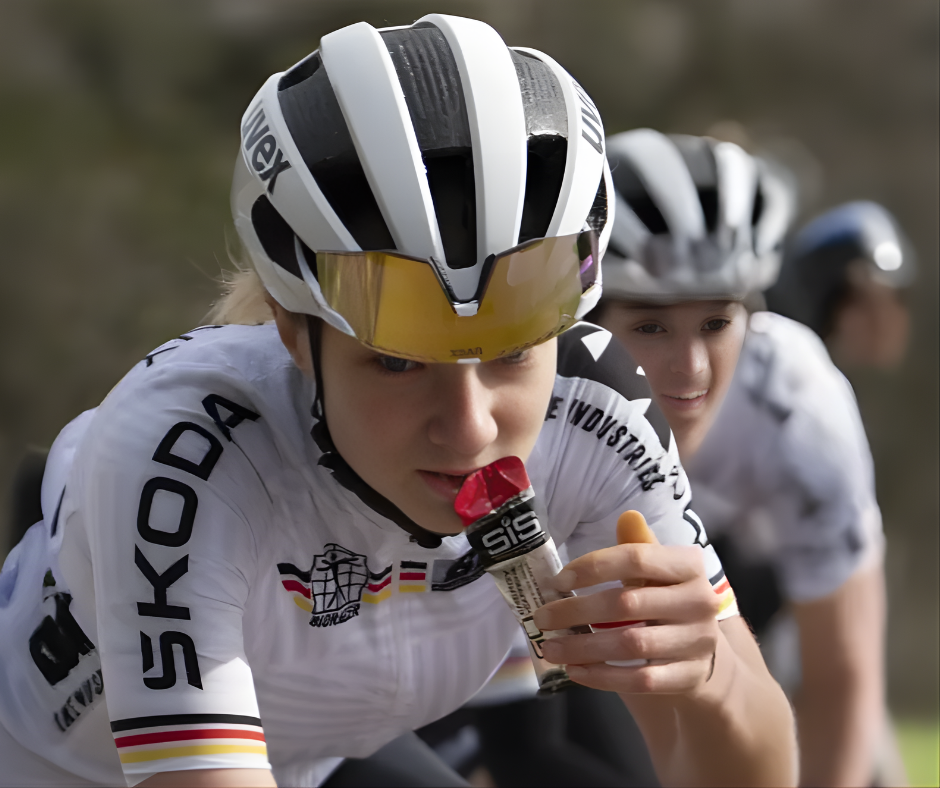
Cyclists love to talk watts per kilogram, but chasing a lower number on the scale often misses the bigger win of being able to produce more power.
Raise watts and you improve both W/kg and W/CdA – so you’re faster on climbs, flats, and everywhere in between.
Rolling resistance also matters: an 80 kg rider at 400 W will outclimb a 70 kg rider at 350 W, even though both are doing 5 W/kg.
Bottom line: fueling to grow and express power typically boosts performance, mood and health far more reliably than dieting for weight alone.
What you will find in this article:
a) Why weight loss as a primary goal can backfire
b) The risks of losing too much or too fast
c) How certain dieting tactics blunt performance
d) Practical ways to raise W/kg sustainably by fuelling well
Important note for young riders (Youth and Juniors)
You should not pursue weight loss. Growing athletes should be gaining weight and building muscle. This is the prime window to develop power now and for the long term.
What not to do (and why)
1) Don’t copy the pros
WorldTour riders train and recover full-time with expert nutrition support and regular monitoring. The razor-lean looks you see in summer stage races aren’t year-round or universally healthy.
Staying that lean increases illness risk, harms bone density and can be mentally exhausting.
You’re fueling training – and life (work, family, social) – so unless you have a pro setup, chasing those extremes is unnecessary and unsafe.
2) Fasted ≠ faster
For healthy performance-focused cyclists, fasted training rarely improves outcomes and often harms them.
The “low glycogen = better adaptations” idea is overstated and becoming “fat adapted” doesn’t replace the need to burn carbs at race intensities. Road racers should be excellent carbohydrate users to hit peak aerobic power.
Common downsides of fasted sessions:
– Brain fog from low glucose
– Bigger cravings and overeating later
– Poorer recovery and blunted training gains
– Higher illness risk and disrupted consistency
3) Quick cuts, long costs
Rapid weight loss can bring a short-lived performance bump – until physiology pushes back.
As energy availability drops:
- Testosterone/estrogen decline, reducing muscle mass and power
- Cortisol rises, impairing recovery and promoting fat regain
- Net effect: higher weight, lower power, and a long climb back
In women, chronic low energy can disrupt cycles and affect fertility.
What to do instead
- Fuel for the work required
- Match nutrition to session demands so you can train harder, adapt better, and recover faster.
Example session types:
Short and Easy: 1h easy – No special during-ride fuel; eat normally. Prioritise a solid recovery meal to top up glycogen for tomorrow.
Short and Intense: 1h intervals – Take fast-acting carbs pre/during. Follow with a robust recovery meal and a larger dinner to prep for Day 3.
Long and Steady: 4h steady – Carb up before, fuel generously during and eat a thorough recovery meal after.
Timing matters
It’s not just what you eat but when. A bag of jelly babies at 4pm after a fasted morning ride is more likely to head toward fat storage.
Move that same sugar to pre/during/post-morning training and it powers performance and replenishes glycogen. Same calories, better adaptation and body comp outcomes.
Expectations and outcomes
Fueling well typically increases muscle mass and metabolic rate. Hunger may rise – normal for a stronger engine – but watts go up, weight may hold steady and W/kg improves.
Listen to hunger
Persistent hunger isn’t a badge of discipline; it’s a sign you’re under-fueled. Chronic under-eating drives muscle loss and lower power.
If you’re hungry, you likely need to eat – ideally around training so you finish sessions satisfied, not ravenous.
The takeaway
Shift focus from getting lighter to getting stronger. Periodize carbs around key work, fuel long rides, recover like it matters, and time intake to the sessions that demand it.
You’ll train better, feel better, and ride faster – without compromising health.
Post written by Rowe & King Coach, Matt Rowe
@LukeRowe1990
@Dani_Rowe_MBE
@RoweandKing