

What Are Six-Day Races And How Did They Popularise Cycling?
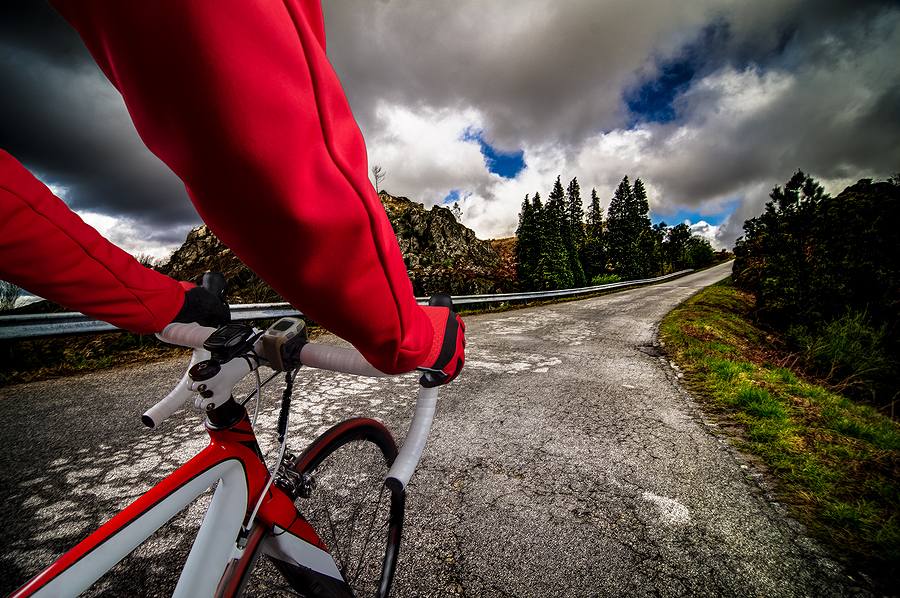
The modern age of cycling is characterised by specialisation, and the types of skills and training you will undergo with the help of a dedicated professional coach will differ greatly depending on your discipline and ultimate goals.
However, before the bespoke track cycle, before the Tour de France invented stage cycling and even before bicycles had two wheels of the same size, early endurance challenges helped to popularise not only the sport of cycling but riding a bike itself.
Seven years before the Rover Safety Bicycle made the shape of cycling more recognisable, the Islington Agricultural Hall was holding a rather unique event that came about as the result of a bet.
Professional cyclist David Stanton claimed that he could ride over 1,000 miles over six days, and the magazine Sporting Life offered him a £100 cash prize if he could.
Whilst many cyclists today may see that target of 166 miles a day, or nine miles per hour riding 18-hour days as Mr Staunton said he could, as something readily attainable, it is important to remember that he was riding a Penny Farthing and that the cash prize was worth over £10,000 adjusted for inflation.
The challenge was set, and at 6am on 25th February 1878, Mr Stanton set off on his challenge, ultimately winning the bet in less than five days.
His challenge made the news, and the Six-Day Race was born, combining the velodrome of track cycling with the endurance of staged cross-country events.
Six-day racing spread to America, where it became so popular that a two-person team format became known as The Madison after New York City’s Madison Square Garden arena, as well as Europe.
In late 1902, the six-day racing concept mutated thanks to Geo Lefevre and the sports newspaper L’Auto into a long-distance cycle race that soon became the legendary Tour de France.
@LukeRowe1990
@Dani_Rowe_MBE
@RoweandKing