

Cycling Coaching Tips: Heat Training For Cyclists
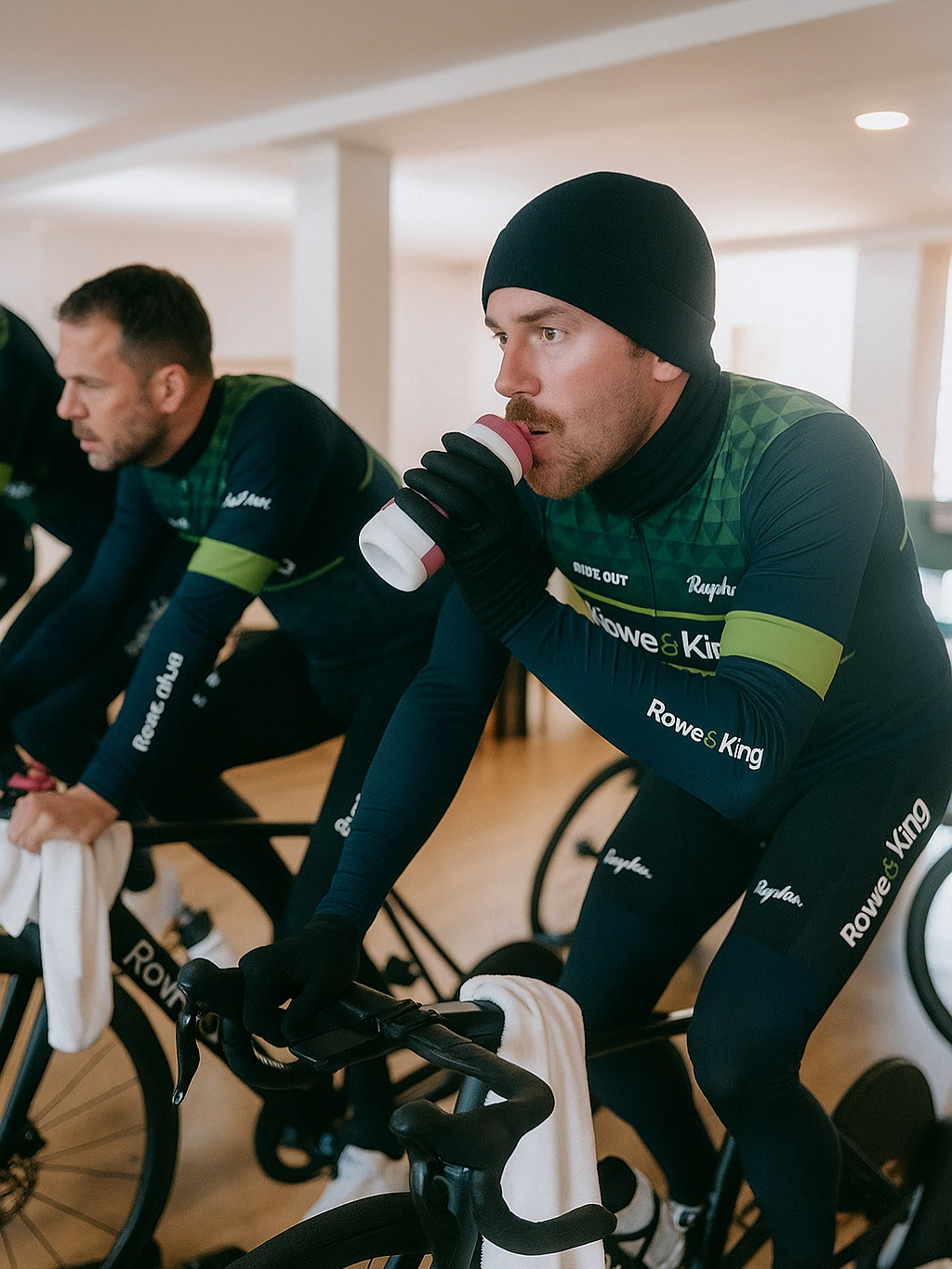
If you’ve ever struggled through a hot summer ride, you know how brutal heat can be on performance – que heat training for cyclists! But what if you could actually train your body to handle the heat – and even perform better when cycling because of it?
That’s exactly what heat training does. With the right strategy, including a focus on core body temperature, you can turn hot weather riding into an advantage.
Additionally, even if you don’t want to perform in the heat, heat training can help performance in all conditions!
Rowe & King Cycling Coach Matt Rowe explains further…
What Is Heat Training?
Heat training involves exposing yourself to elevated temperatures during or after workouts. Your body learns to cool itself more effectively, thus improving performance in hot conditions, but equally across mild or ‘normal’ temperature conditions.
Why bother?
The benefits are pretty compelling for why cyclists should undergo heat training:
- 🔁 Increased plasma volume → better cardiovascular efficiency
- 💦 Improved sweating response → faster and more effective cooling
- ⏱ Delayed fatigue → lower core temps at the same intensity
- 💪 Lower perceived exertion → you feel better even when it’s hot
- 🌤 Cooler-weather gains → surprisingly, adaptations can also help in mild temps
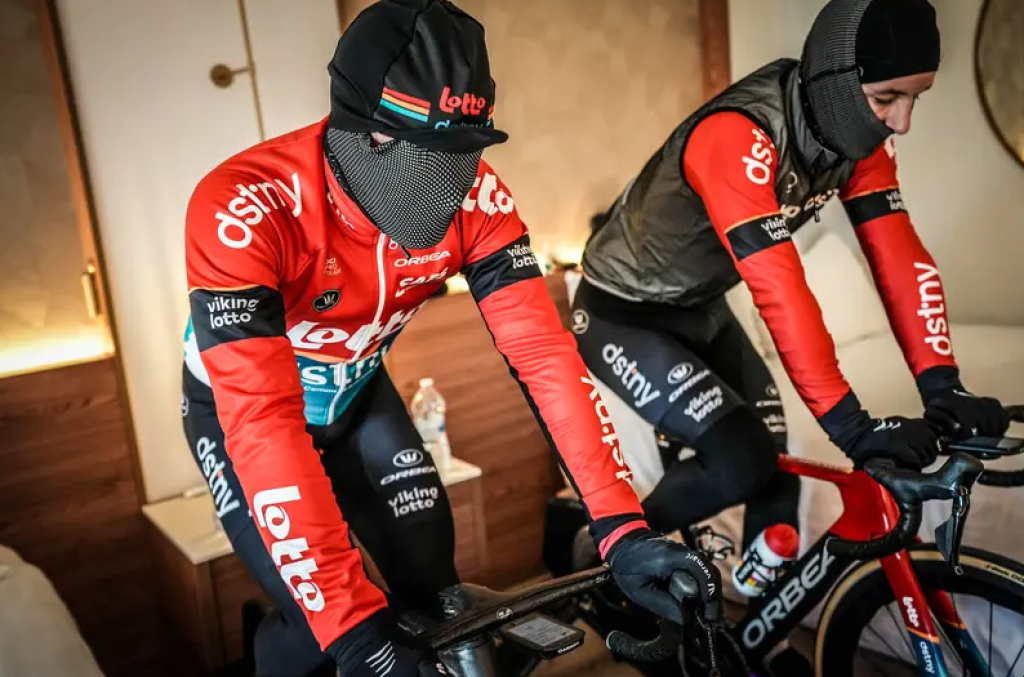
🔥 How To Heat Train: Active vs Passive Methods
The goal of heat training is to raise and sustain your core body temperature (CBT) between 38.5°C and 39.0°C (101.3–102.2°F) for a consistent duration, ideally 30 to 60 minutes.
You don’t need to do more than 60 minutes at a time. Heat training is intended to supplement your cycling training, not replace or dominate it.
Here’s how to do it
✅ Active Heat Training
This is the traditional method: train in the heat.
- Ride indoors in a heated or unventilated room
- Temp: 30–35°C (86–95°F)
- Limit airflow to reduce cooling
- Ride outdoors during the hottest time of day
- Choose mid-afternoon or early evening summer sessions if your climate permits.
📌 Start with shorter sessions (30–45 minutes), build gradually and monitor how your body reacts. You can build up to a road ride of a few hours, followed by an indoor turbo session where you add the heat stress for up to an hour.
✅ Passive Heat Exposure
Want the benefits without extra physical strain? Passive heat works too, especially post-ride.
- Sauna (15–30 minutes at 80–90°C / 176–194°F)
- Hot bath (30–40 minutes at 40°C / 104°F)
- Post-ride heat retention: sit in a warm room, keep your kit on and let the CBT stay elevated
📌 Passive heat is a great option during rest or taper weeks, however is not as effective as active heat training.
🧠 Equipment: How To Measure Core Body Temperature
Targeting the right CBT range matters… too low and you won’t adapt, too high and you risk heat illness.
The Best Ways To Track your CBT
- CORE Body Temperature Sensor
- Clips onto your heart rate strap
- Provides real-time data
- Syncs with Garmin, Wahoo and other head units
- Ingestible Thermometer Pills
- Used in lab or pro settings
- Very accurate but pricey and not reusable
- Smartwatches with Temp Sensors
- Provide surface or wrist temp (less accurate, but helpful for trends)
- Subjective markers
- RPE (Rate of Perceived Exertion), heart rate drift and sweat rate
📌 Unless you are in a lab, using an ingestible pill, any measure of your core body temperature is going to be an estimate. For this reason, using RPE is a fantastic guide, helping you dial in to how hot you feel. In summary – if you feel hot, uncomfortable and like you want to stop exercising – you are experiencing an appropriate level of heat stress.
⚠️ Risks to Watch Out For
Heat training is powerful, but also risky if done carelessly.
Potential Dangers:
- 🌡 Heat exhaustion or heatstroke
- 🧂 Electrolyte imbalance from excessive sweating
- 😴 Impaired recovery due to high body stress
- 🩺 Hidden health risks if you have heart, kidney, or blood pressure issues
Stay Safe With These Tips
- Hydrate aggressively before, during and after sessions
- Don’t train hard and hot at the same time (keep heat sessions low to moderate intensity)
- Stop immediately if you feel dizzy, nauseous, or confused
- Avoid stacking heat + altitude without expert guidance
- Do a maximum of four heat focused sessions per week, and for a maximum of two weeks initially.
💡 Final Thoughts
Heat training isn’t just for professionals. Whether you’re prepping for a summer Sportive, Gran Fondo, a gravel race, or just want to suffer less in the heat, layering in some heat stress as an added training stimulus can seriously boost your performance 12 months of the year.
Remember:
- Target core body temperature of 38.5–39.0°C
- Use both active and passive strategies
- Gauge your temperature and recovery
- Respect the heat—but don’t fear it
Done right, heat training doesn’t just make you heat-tolerant, it makes you fitter overall.Questions on how to execute? Get in touch with Rowe & King Coach Matt Rowe.
@LukeRowe1990
@Dani_Rowe_MBE
@RoweandKing